Introduction
In 2026, plastic surgery patients don’t make decisions lightly. They research deeply, compare multiple clinics, and look for proof before they ever reach out. This shift in behavior has made plastic surgery marketing strategies a critical growth tool rather than a nice-to-have option.
Today’s successful clinics rely on transparency, education, and strong digital presence. Instead of traditional ads, patients now trust real reviews, before-and-after results, and personalized online experiences. That’s why a modern plastic surgery marketing strategy must focus on building credibility across every digital touchpoint.
With the right mix of SEO, video, social media, and reputation management, marketing for plastic surgery clinics can attract high-intent patients who are ready to book.
In this blog, we’ll explore the most effective plastic surgery marketing strategies shaping clinic growth in 2026.
Key Takeaways:-
- Patients in 2026 are highly informed and rely on social proof before booking consultations.
- A mobile‑first, fast‑loading website with clear CTAs and interactive galleries builds trust and drives conversions.
- Video marketing and C‑TV advertising are now essential for reaching and engaging targeted audiences.
- SEO and PPC integration capture high‑intent searches and retarget potential patients effectively.
How Plastic Surgery Marketing Has Evolved in 2026
Plastic surgery marketing has changed significantly in 2026. Patients no longer rely only on referrals or traditional ads. Instead, they research online, compare clinics, and look for real results before booking a consultation. This shift has made modern plastic surgery marketing strategies more focused on education and trust.
Today, successful marketing strategies for plastic surgeons prioritize digital visibility, helpful content, and authentic patient experiences. Clinics now use SEO, social media, video marketing, and online reviews together to reach patients across multiple platforms.
Personalization also plays a bigger role than ever. Modern digital marketing for plastic surgeons delivers targeted messages based on patient interests and behavior. Clinics that adapt to these changes and invest in updated plastic surgery marketing strategies are better positioned for long-term growth.
How Patient Behavior Has Changed in 2026
Patients in 2026 are more informed than ever. Before contacting a clinic, they research procedures, compare surgeons, read reviews, and study real patient results. This shift has made trust a central part of modern plastic surgery marketing strategies.
Instead of responding to traditional advertisements, patients now rely on social proof. Reviews, testimonials, and before-and-after images strongly influence decisions. That’s why effective marketing strategies for plastic surgeons focus on credibility and transparency rather than aggressive promotion.
Visual content also plays a major role. Patients want to clearly see outcomes before committing, making visual transparency essential for plastic surgery and marketing strategies. Clinics that understand these behavior changes and adapt their plastic surgery marketing strategy are far more likely to attract high-quality leads.
Core Pillars of Plastic Surgery Marketing Strategies in 2026
Every successful clinic in 2026 relies on a few core pillars that make their plastic surgery marketing strategies effective. These pillars combine technology, patient psychology, and digital engagement to create a seamless journey from online discovery to booked consultation.
1):- High-Converting Website as Your Digital Clinic
Your website is your clinic’s digital front door. In 2026, a website isn’t just about looking professional—it’s about converting visitors into booked consultations. A high-performing website is one of the most important plastic surgery marketing strategies today.
Key elements include:
- Mobile-first design: Most patients browse on smartphones, so fast loading and responsive design are essential.
- User-friendly navigation: Visitors should find procedure information, before-and-after galleries, and contact forms effortlessly.
- Clear calls-to-action (CTAs): Buttons for booking consultations should be prominent and easy to use.
A well-designed website supports all your online efforts—from social media to SEO and video campaigns—and lays the foundation for long-term growth in marketing strategies for plastic surgeons
2):- Interactive Before-and-After Galleries for Visual Trust
Interactive before-and-after galleries are one of the strongest ways to show real results and build patient confidence. In 2026, patients expect detailed visuals before deciding on a consultation, making galleries a core part of modern plastic surgery marketing strategies.
Best practices include:
- Filterable galleries: Allow patients to search results by procedure, body type, or concern.
- High-quality images: Professional, clear photos help establish credibility.
- Compliance and consent: Always get patient approval to maintain trust and follow ethical standards.
These galleries reduce hesitation, increase engagement, and make patients more likely to book—an essential tactic in plastic surgery internet marketing.
3):- Targeted Video Marketing and C-TV Advertising
Video has become one of the most powerful tools in modern cosmetic surgery marketing strategies. Short, engaging videos can educate, inspire, and build trust faster than any other content format.
Key strategies include:
- Procedure and testimonial videos: Highlight real patient results and experiences.
- OTT and Connected TV (C-TV) ads: Platforms like Hulu or Roku let you target audiences by zip code, interests, and demographics.
- Audience-specific messaging: Tailor content for younger audiences on Instagram/TikTok and older audiences on Facebook/YouTube for maximum impact.
When combined with your website, social media, and SEO efforts, video marketing increases visibility, engages viewers, and drives more booked consultations.
4):- Search Engine Authority (SEO & PPC Integration)
In 2026, appearing in search results is a must. Combining search engine optimization with ppc advertising is one of the smartest plastic surgery marketing strategies for capturing high-intent patients.
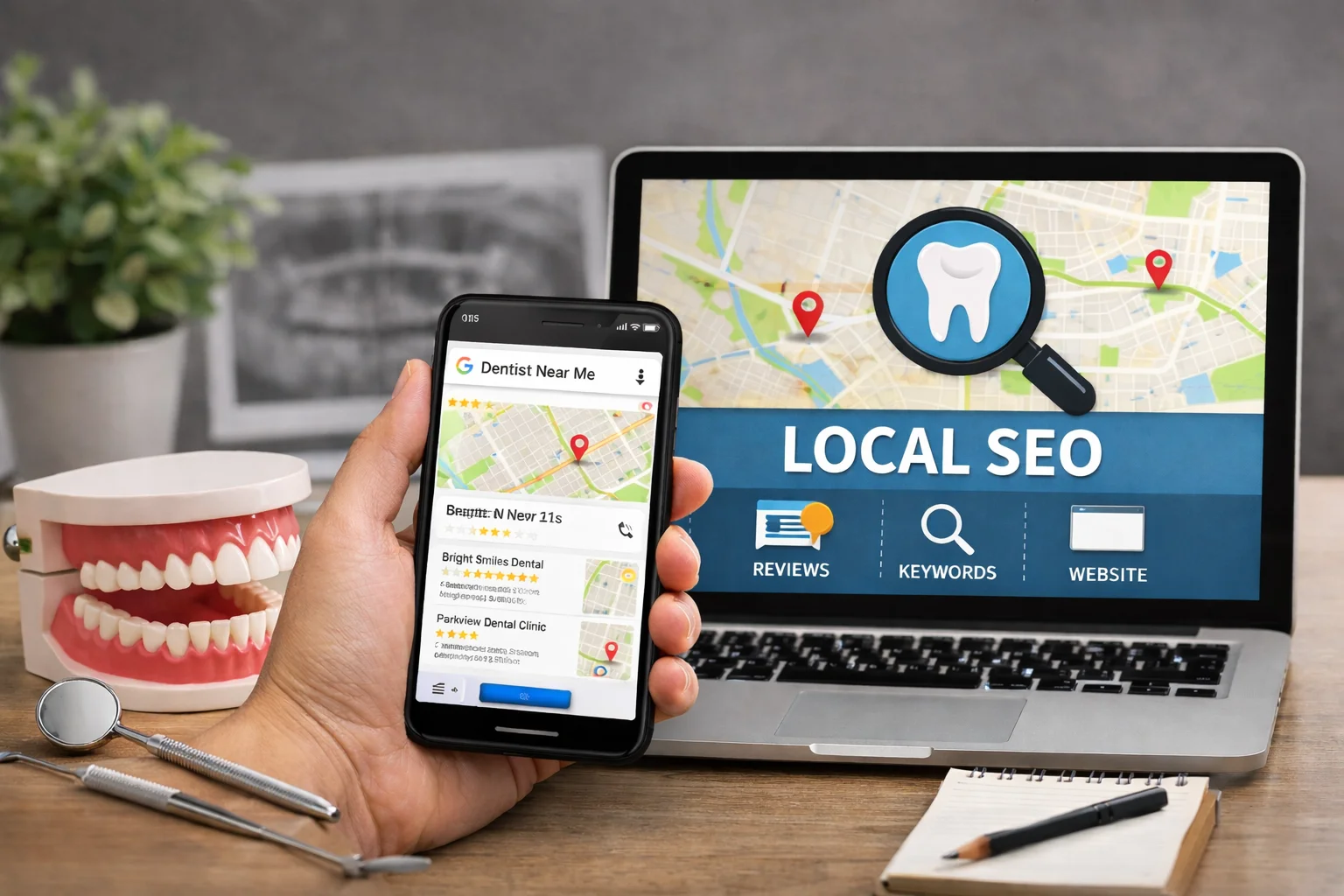
Local SEO for High-Intent Searches:
- Optimize for queries like “best rhinoplasty surgeon near me.”
- Keep your Google Business Profile optimized with accurate info and photos.
- Create landing pages tailored to each procedure and location.
Google Ads, PPC & Remarketing Campaigns:
- Target competitive procedure-related keywords to reach patients actively searching.
- Retarget visitors who didn’t book to keep your clinic top-of-mind.
- Design conversion-focused landing pages with clear CTAs.
Integrating SEO and PPC ensures consistent online visibility, attracting more inquiries and booked consultations—a key part of digital marketing for plastic surgeons
5):- Platform-Specific Social Media Marketing Strategies
Social media for plastic surgeons is now a critical component of plastic surgery marketing strategies. Different platforms work best for different audiences, so targeting the right channels is essential.
Instagram & TikTok for Younger Audiences (18–35):
- Share short-form videos, transformations, and trending content.
- Use Reels and Stories to highlight procedures like rhinoplasty or breast augmentation.
- Engage followers with educational snippets and behind-the-scenes content.
Facebook & YouTube for Older Audiences (36+):
- Post long-form educational videos focusing on safety and recovery.
- To establish trust, provide patient testimonials and success stories.
- Use video content to answer FAQs and reduce patient anxiety.
Platform-specific social media strategies help clinics reach the right audience, build credibility, and increase consultation bookings—another essential element of marketing for cosmetic surgeons.
Advanced Plastic Surgery Marketing Strategies for 2026
In 2026, clinics that want to stay ahead use advanced tactics that go beyond websites, social media, and SEO. These modern approaches are essential components of effective plastic surgery marketing strategies.
1):- Virtual Consultations and “Future Casting” Technology
Virtual consultations are transforming the patient journey. With 3D imaging and visual simulation tools, clinics can show patients potential results before surgery.
- Visualizing outcomes: Helps patients see realistic expectations.
- Reducing anxiety: Builds confidence and encourages bookings.
- Convenience: Allows patients to explore procedures from home.
Integrating virtual consultations into your plastic surgery marketing strategy enhances transparency and sets your clinic apart from competitors.
2):- Online Reputation Management and Review Optimization
In 2026, patient reviews are as powerful as personal recommendations. Actively managing online reputation is a key part of marketing for cosmetic surgeons.
- Encourage satisfied patients to leave reviews on Google and RealSelf.
- Respond professionally to both positive and negative feedback.
- Highlight testimonials across your website and social media.
Strong reputation management builds credibility, supports SEO, and drives high‑intent inquiries — making it a cornerstone of cosmetic surgery marketing strategy.
4):- Influencer Marketing for Authentic Social Proof
Partnering with local beauty, lifestyle, or fitness influencers helps clinics reach engaged audiences authentically.
- Recovery journey content: Influencers can document their procedure and recovery.
- Day‑in‑the‑life videos: Showcase real results and patient experiences.
- Trust‑building: Authentic storytelling resonates more than traditional ads.
Influencer collaborations are now a modern staple in plastic surgery and marketing strategies, offering relatable proof that connects with patients emotionally.
5):- Automated Lead Nurturing with CRM Systems
Not every website visitor books immediately. CRM tools like HubSpot or Nextech help automate follow‑ups and keep leads engaged.
- Personalized email sequences educate and remind potential patients.
- Share recovery tips, procedure guides, or seasonal promotions.
- Maintain top‑of‑mind awareness with minimal manual effort.
Automated lead nurturing is one of the most effective tactics in digital marketing for plastic surgeons, turning online traffic into booked consultations.
6):- Voice Search Optimization for Mobile‑First Patients
Voice search is growing rapidly, and many patients use it to ask natural questions about procedures. Optimizing for voice search is now part of any comprehensive plastic surgery marketing strategy.
- Create FAQ‑style content targeting questions like, “What is the recovery time for a tummy tuck?”
- Structure blogs and pages for conversational queries.
- Capture mobile‑first, high‑intent leads using natural language optimization.
This ensures your clinic stays visible as patient search behavior evolves — a critical step in plastic surgery internet marketing.
7):- Measuring Success of Plastic Surgery Marketing Strategies
You can’t improve what you don’t measure. Tracking performance is a critical part of any modern plastic surgery marketing strategy. By understanding which tactics deliver results, clinics can invest smarter, refine campaigns, and achieve faster growth.
Key metrics to monitor include:
- Website traffic: Track how many patients visit your site and which pages they explore.
- Lead sources: Identify whether SEO, social media, or PPC campaigns generate the most inquiries.
- Consultation bookings: Measure how many visitors convert into actual appointments.
- Conversion rates: Evaluate how effective your website, galleries, and CTAs are at turning interest into bookings.
By regularly analyzing these metrics, clinics can fine‑tune campaigns, strengthen marketing strategies for plastic surgeons, and ensure every effort contributes to sustainable growth.
Also Read: Dental Marketing Strategies That Help Dentists Attract More Patients in 2026
Conclusion
In 2026, successful clinics don’t rely on outdated marketing methods. Modern plastic surgery marketing strategies focus on building trust, showcasing real results, and engaging patients across multiple digital channels.
From a high‑converting website and interactive galleries to video marketing, social media, virtual consultations, and reputation management, each element plays a vital role in attracting and converting patients.
Clinics that embrace these advanced plastic surgery and marketing strategies — while monitoring performance and adapting to trends — will not only generate more inquiries but also build lasting patient relationships and achieve sustainable growth.
Investing in the right healthcare digital marketing agency today ensures your clinic remains competitive, trusted, and visible in an increasingly digital world.